How Regular Drain Cleaning Prevents Costly Plumbing Repairs
Slow drains and gurgling pipes are more than everyday annoyances in older Bay Area homes. A simple plan for drain cleaning and repair, along with a few daily habits, will help protect fixtures, floors, and landscaping from messy water damage. There are things you can do to reduce problems, but some problems require professional drain cleaning services.
1. Map How Your Drains Connect
Start by learning which fixtures share the same pipes. When several sinks, tubs, or toilets on one branch slow or back up together, it usually indicates a problem deeper in the line, rather than a small clog at a single drain. That’s when you need a good residential plumber.
2. Catch Early Warning Signs
Treat small changes as early alerts. Water that takes longer to disappear, toilets that bubble when nearby sinks run, or faint sewer odors from floor drains all suggest buildup that will not disappear on its own. When you begin to notice these symptoms, plan on scheduling drain cleaning soon.
3. Keep Fats, Oils, and Grease Out of the Sink
Fats, oils, and grease cool into sticky layers that trap crumbs inside pipes. Utilities often describe this mix as a major cause of sewer blockages. Try these suggestions:
Let grease cool in a container, then throw it away in the trash.
Use a sink strainer to catch food scraps and coffee grounds.
4. Protect Bathroom Drains
Bathroom drains collect hair, soap scum, and grooming products that can form dense mats just below the drain opening. Hair catchers in showers and tubs, plus occasional cleaning of sink stoppers, keep most of that material where you can reach it instead of letting it wash deeper into the line.
5. Using Tools and Chemicals
When only one drain is slow, begin with simple tools. A flange plunger for toilets, a cup plunger for sinks or tubs, and a small hand crank drain snake can often clear shallow clogs without harming pipes.
Chemical drain cleaners may look convenient, but they often contain corrosive ingredients. The U.S. Environmental Protection Agency notes that many cleaners and drain openers are treated as household hazardous waste and should not be poured down drains or into storm sewers.
6. Some Issues Require Professional Solutions
Certain drain problems are strong signals that the issue has moved beyond simple home tools and needs professional attention. When you notice the situations below, it is time to call a licensed plumber for drain cleaning and repair services.
The same sink, tub, or toilet clogs again within a short time
More than one fixture is slow or backing up at the same time
Water appears around floor drains, tubs, or low-level fixtures
Strong sewer odors or gurgling sounds come from drains or toilets
7. Establish a Preventive Maintenance Plan
Treat drain care as part of your regular home maintenance. Large households, frequent cooking, and mature trees near sewer lines all increase the chances of clogs, so occasional professional cleaning can remove buildup before it causes a full blockage or backup.
Disclaimer: Every clog is different. Recommendations and pricing require an in-person inspection.
Drain Cleaning and Repair Tips for Homeowners
Slow drains and recurring clogs are more than just annoying—they can stain fixtures, damage pipes, and lead to messy backups. While DIY fixes can help in the short term, knowing when and how to handle drain cleaning and repair can save Bay Area homeowners time and money. Professional drain cleaning and repair services give you a deeper, longer-lasting solution give you a deeper, longer-lasting solution than quick tricks alone.
Start with Smart Prevention
Everyday habits are the first line of defense against clogged drains. Simple changes reduce the buildup of grease, food particles, hair, and soap scum that narrow pipes over time. City outreach programs explain that fats, oils, and grease—often called FOG—are a major cause of clogs and sewer overflows when they’re rinsed down the sink instead of thrown in the trash. Municipal guidance onpreventing sewer clogs from grease and FOG makes the same point.
To keep drains flowing, try these habits:
Wipe greasy pans with a paper towel before washing
Use sink strainers to catch food scraps and coffee grounds
Collect cooking oil in a container instead of pouring it down the drain
Use DIY Tools Carefully
For minor clogs, a plunger or small drain snake can be enough to restore flow. These tools physically move or break up debris without introducing harsh chemicals into your plumbing system. If a clog keeps coming back, though, it may indicate a deeper blockage or damage further down the line. Recurring clogs are a good indication that you need professional drain cleaning.
Chemical drain cleaners may seem like an easy shortcut, but they can be tough on pipes, fixtures, and the environment. The U.S. Environmental Protection Agency notes that many household chemicals are considered household hazardous waste and should not be poured down drains or toilets.
If plungers and simple snakes haven’t helped, or if multiple drains are backing up at once, it’s usually time to call in professional help. Many times, the cause of the clog is deep in your sewer lines, and may even be related to root growth or a broken line.
What Professionals Do Differently
Professional drain cleaning goes far beyond basic tools. A licensed plumber can perform a camera inspection to see what’s happening inside your pipes, identify whether the issue is buildup, roots, or damaged piping, and then choose the right method to restore flow. Services like professional drain cleaning and rooter service allow technicians to clear stubborn obstructions and address underlying problems instead of just treating symptoms.
Drain cleaning and repair are most effective when they’re part of a broader plumbing services plan. For a deeper look at why timing matters, look at how timely drain cleaning prevents bigger plumbing problems. Regular inspections, occasional professional cleanings, and attention to warning signs—like slow-draining fixtures or recurring odors—can keep small problems from turning into emergencies.
Disclaimer: Every clog is different. Recommendations and pricing require an in-person inspection.
Is Trenchless Sewer Replacement an Option for Everyone?
For many Bay Area homeowners, the idea of digging up a yard, driveway, or mature landscaping to reach a broken sewer line is a nightmare. That’s why trenchless sewer replacement has become such an appealing alternative. Instead of opening a long trench, technicians rehabilitate or replace the pipe through small access points, often finishing work faster and with less disruption than traditional methods. Homeowners who explore trenchless sewer replacement services quickly see how much excavation they may be able to avoid.
But as convenient as it sounds, trenchless solutions are not automatically the right fit for every home. Whether it’s an option depends on the condition of your existing line, local rules, and how you weigh cost versus disruption.
What Makes Trenchless Sewer Replacement Different?
Traditional “dig and replace” methods expose the entire line so the old pipe can be removed and a new one laid in its place. Trenchless techniques, such as cured-in-place pipe (CIPP), pipe bursting, and sliplining, work from the inside of the existing line using small entry points. The EPA’s overview of trenchless sewer rehabilitation methods notes that these approaches can restore aging sewer lines while significantly reducing excavation and surface disturbance.
Situations Where Trenchless Options Work Well
Trenchless methods often shine when the pipe is damaged but not destroyed. If a camera inspection shows cracks, minor offsets, or root intrusion, CIPP can create a strong “pipe within a pipe,” restoring function while leaving yards and hardscape largely intact. Homeowners may be good candidates for trenchless work when they:
Have recurring backups tied to one section of pipe
Want to protect landscaping, concrete, or pavers
Need to keep disruption around driveways or walkways to a minimum
When Trenchless Replacement May Be Inappropriate
Trenchless approaches usually require that the existing pipe be sound enough for equipment and liners to pass through. It may not be the best option when:
The pipe has collapsed or is badly crushed
There are severe offsets or major sags in the line
Nearby utilities or structures make access extremely tight
Local codes restrict certain trenchless materials or methods
In those cases, open-cut replacement may be the only reliable fix. Local rules near the property line or municipal main can also influence which methods are allowed. In other situations, targeted sewer cleaning and repair services may be enough to restore function without replacing the entire line, especially when damage is limited to a short section.
How Local Plumbing Services Evaluate Your Options
A licensed plumbing contractor will typically start with a video inspection to see how long the problem section is, where it sits on the property, and how badly the line has deteriorated. A company that offers both traditional and trenchless sewer replacement can explain whether lining, pipe bursting, or open-cut replacement is the safer long-term choice for your particular layout.
They’ll consider pipe material, depth, slope, and where equipment can be staged. In some cases, they may suggest combining trenchless methods with small, targeted excavations at tie-ins or severely damaged spots, so you get a complete repair without unnecessary digging.
Cost, Disruption, and Long-Term Maintenance
Trenchless solutions can look more expensive on a per-foot basis than digging, but that number rarely includes the cost of putting a property back together. Replacing concrete, pavers, decks, or landscaping can quickly erase any apparent savings from open-cut work. For many homes, reducing disruption is worth a slightly higher upfront investment.
Trenchless methods are only one part of an overall plumbing services strategy. Regular inspections, periodic cleaning, and quick attention to slow drains, wet spots, or sewage odors can extend the life of any system. For homeowners who want a deeper technical perspective, reading about how trenchless sewer replacement reduces repair time can show how quickly well-planned projects can be completed compared with conventional digs.
Disclaimer: Every property is different. Recommendations and pricing require an in-person inspection of your specific sewer line and site conditions.
Pipe Lining vs Pipe Bursting in Trenchless Sewer Replacement
If your sewer line is failing, the biggest question is often whether you need a full dig or a faster alternative. Two popular no-dig options are pipe lining and pipe bursting. Both fall under trenchless sewer replacement, but they solve different problems and work best in different situations. Let’s take a brief look at trenchless sewer and how it can save you time, money, and apprehension.
Pipe Lining: Rebuild the Pipe From the Inside
Pipe lining is usually referred to as cured-in-place pipe (CIPP). A flexible liner is inserted into the existing pipe, expanded, and cured to form a new, jointless pipe within the old one. Lining is a strong choice when the pipe still has a mostly continuous path, and you want to avoid a large excavation. It can also be ideal when landscaping, patios, or hardscaping would be expensive to disturb.
Pipe Bursting: Replace the Pipe Entirely
Pipe bursting is different because the old pipe is broken apart while a new pipe is pulled into place behind it. This method typically needs small access pits rather than a continuous trench. The U.S. EPA describes the approach and common use cases in its pipe bursting fact sheet. Bursting is often chosen when a pipe is too damaged to serve as a stable “host” for a liner, or when you want the option to upsize the line for better capacity.
Which Option Fits Your Situation?
A good decision starts with your goals, the pipe’s condition, and what’s happening around it (trees, slabs, utilities, and access). The best trenchless sewer replacement plan is the one that fixes the root problem without creating new risks. Keep in mind that neither option is available in certain situations, and that can only be determined after a complete inspection of the site.
When Lining Makes Sense
Choose lining when the line is cracked, has root intrusion, or has minor offset joints, but the overall run is still intact. It’s also a good fit when you need minimal surface disruption and the existing diameter is adequate. A reputable plumber will help you determine whether this option is available and describe the steps that will be taken.
When Pipe Bursting is a Better Call
Pipe bursting can be a better fit when the pipe has major collapses, severe deformation, or sections that can’t be cleaned or shaped well enough to accept a liner. It’s also helpful if you need a brand-new pipe path in the same corridor and want to improve flow by sizing up.
Before you commit, a camera inspection can confirm the pipe material, locate bellies and breaks, and show whether roots are a symptom or the main issue. From there, professional plumbing services can explain tradeoffs in timeline, access points, and long-term performance. When trenchless sewer repair is an option, it has the potential to save a great eal of time and money.
Disclaimer: Every property is different. Recommendations and pricing require an in-person inspection of your specific sewer line and site conditions.
Top Plumbing Services for Older Homes in the Bay Area
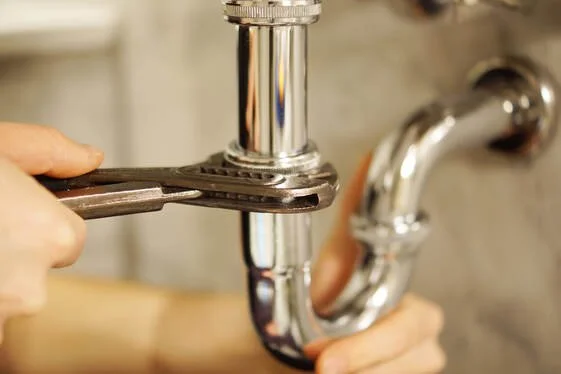
Many neighborhoods across the Bay Area feature older homes with original plumbing systems that were built long before modern materials and installation standards became common. As these homes age, drain cleaning and repair often become necessary to keep water flowing smoothly and prevent sudden failures. A real-life scenario shows why understanding the right plumbing services can help preserve the value and integrity of an older home.
Scenario: A Home With Aging Pipes and Persistent Drain Issues
Consider a homeowner in a century-old Bay Area property who begins noticing slow drains, gurgling sounds, and occasional backups in the kitchen sink. These issues appear gradually, leading the homeowner to attempt minor drain cleaning and repair before realizing that the underlying problems might be connected to aging infrastructure. Older pipes often contain mineral buildup, corrosion, or root intrusion, all of which can trigger recurring blockages.
Why Older Homes Require Specialized Plumbing Services
Older homes often contain galvanized steel or cast-iron pipes, which can deteriorate over time. These materials tend to corrode internally, narrowing the pipe walls and restricting water flow. Drain cleaning and repair services that use safe, modern equipment can remove buildup without damaging fragile pipes.
Seasonal Maintenance Needs in Aging Bay Area Homes
Older homes often face seasonal stresses that can worsen existing plumbing issues. Seasonal maintenance, such as checking cleanouts before heavy rain or inspecting exposed pipes before cooler weather, reduces the likelihood of sudden failures. Proactive steps help prevent emergencies that often affect older plumbing systems at the worst times.
Drain Cleaning and Repair for Aging Infrastructure
Drain cleaning and repair is one of the most effective services for older properties. Professional cleaning removes layers of buildup that accumulate over decades. Mechanical methods, such as snaking or hydro jetting, are selected based on pipe condition. When older pipes are too fragile for aggressive cleaning, alternative methods can be used to protect the system while still improving flow.
Protecting Aging Water Heaters in Older Homes
Homes built several decades ago often contain older water heaters as well. The Department of Energy notes that sediment buildup, corrosion, and reduced efficiency become more likely as units age. Seasonal flushing and inspection help extend water heater lifespan and prevent unexpected failures during high-demand periods.
Scenario Outcome: Preventing Escalating Problems
In the example above, the homeowner discovered that multiple drains were connected to an aging main line that needed targeted repair. By using professional inspection and cleaning services, the problem was resolved without major excavation. Seasonal preparation and follow-up maintenance helped prevent additional issues, allowing the home to operate more efficiently year-round.
Key Takeaways
Older Bay Area homes often require specialized plumbing services
Seasonal changes can worsen existing plumbing weaknesses
Professional inspections reveal hidden issues in aging pipes
Drain cleaning and repair improves flow without damaging older materials
Proactive maintenance prevents recurring blockages
Plumbing systems in older homes need thoughtful care to remain reliable. Understanding how seasonal changes, pipe materials, and decades of use affect performance helps homeowners make informed decisions. With the right services and proactive maintenance, older Bay Area homes can operate more efficiently and avoid costly plumbing disruptions.
Why DIY Drain Cleaning and Repair Can Make Problems Worse
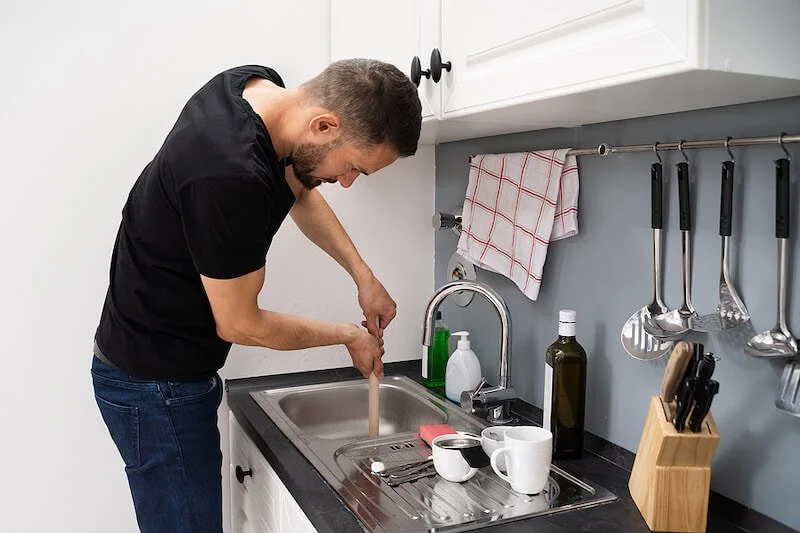
Many homeowners attempt DIY drain cleaning when water begins to drain slowly or when small blockages appear. At first, it may seem like a fast and inexpensive fix, but the wrong approach can create bigger problems below the surface. A real-world scenario shows why professional plumbing services are usually the safest choice for drain cleaning and repair.
A Common Scenario: A Slow Drain That Suddenly Gets Worse
Imagine a homeowner noticing that the kitchen sink drains more slowly over a few days. Wanting a quick solution, they use a chemical drain cleaner and push a flexible tool into the pipe. At first, the water seems to move more freely. Hours later, however, the drain becomes fully blocked. The chemical mixture sits inside the pipe, causing corrosion. The blockage deepens, then the pipe begins to weaken. By the time a licensed plumber arrived, the drain had become a major issue,
Why DIY Approaches Often Backfire
DIY drain cleaning tools and chemicals can push debris deeper into the line instead of clearing it. Liquid drain cleaners may temporarily break down surface buildup, but can also damage older pipes. Mechanical tools used incorrectly can puncture or crack pipes behind walls or under flooring. Even minor mistakes can turn a simple clog into costly residential plumbing services.
When a Simple Blockage Becomes a Repair Problem
Once the drain becomes fully blocked, the homeowner has fewer safe options. Water pressure increases inside the pipe, which can lead to leaks at joints or fittings. Buildup may spread into neighboring lines, affecting other fixtures. The deterioration caused by harsh chemicals can require replacement of sections of pipe that would have been completely avoidable with professional service.
How Professional Drain Cleaning Prevents Long-Term Damage
Professional plumbing services use equipment that clears blockages without harming the pipe structure. Video inspections identify the exact cause of the clog, which is especially important in older homes. Hydro jetting and mechanical cleaning tools are calibrated to remove buildup safely and restore full drainage. Improperly used chemical products can contribute to pipe corrosion and environmental harm, further supporting the need for proper maintenance methods.
Scenario Outcome: What the Homeowner Learned
In this example, the homeowner ultimately required professional help once the blockage worsened. Video inspection revealed that chemical use had weakened a section of pipe, which required repair instead of a simple cleaning. With proper maintenance, the issue could have been resolved earlier and at a lower cost.
Key Takeaways
DIY drain cleaning often worsens hidden problems
Chemical cleaners can damage pipe interiors
Improper tool use can lead to punctures or cracks
Professional inspections identify the true cause of clogs
Preventative maintenance reduces risk of severe blockages
DIY solutions can appear convenient but often overlook the complexity of drain systems. When problems arise, professional services provide safer tools, accurate diagnostics, and reliable long-term results. Addressing issues early and practicing preventative maintenance helps protect pipes, reduce repair costs, and prevent avoidable emergencies.
How Trenchless Sewer Replacement Reduces Repair Time
Traditional sewer repairs are known for long timelines, heavy excavation, and extensive disruption around a property. As homeowners and businesses look for faster and less invasive solutions, trenchless sewer replacement has become a widely adopted alternative. Its streamlined process can shorten plumbing repair time significantly while still offering durable, long-term results.
Why Traditional Repairs Take Longer
Conventional sewer line replacement often requires digging long trenches to access damaged pipes. Excavation alone can take several days when accounting for soil removal, property protection, and equipment setup. After the repair, additional time is needed to backfill soil, restore landscaping, and handle any structural disruptions. This extended process leads to multi-day delays, making traditional methods slower and more labor-intensive.
How Trenchless Methods Avoid Large Excavation
Trenchless sewer replacement relies on modern equipment that allows technicians to repair or replace underground lines using only small access points. This eliminates the need to dig long trenches, which greatly reduces the time spent on site. Both pipe bursting and pipe lining are designed to repair the internal or external structure of the pipe while leaving the surrounding property unchanged.
Faster Project Stages From Start to Finish
Every stage of a trenchless project can be completed more efficiently due to minimal ground disturbance. The inspection, cleaning, and repair phases occur through the same access points, lowering setup and cleanup time. Most of the work takes place underground with specialized technology that speeds up pipe rehabilitation. This streamlined workflow often allows crews to finish repairs within a single day.
How Faster Repairs Reduce Property Disruption
Because excavation is limited, trenchless methods reduce downtime for homeowners and businesses. Driveways, walkways, and landscaping remain intact, eliminating the need for lengthy restoration projects after the repair. This is especially beneficial for properties with paved surfaces or mature landscaping. With fewer disruptions and faster timelines, trenchless work helps restore the normal routine sooner.
Preparing for a Smooth Trenchless Replacement
Preparation can further support fast turnaround times. These steps help ensure the repair proceeds efficiently from evaluation to completion.
Helpful Preparation Steps:
Locate outdoor utilities before the inspection.
Clear access to cleanouts or entry points.
Review past plumbing records if available.
Ask about the expected timeline for each repair stage.
Confirm material types used in the new sewer line.
Key Takeaways
Trenchless methods reduce or eliminate full-scale excavation
Faster setup and cleanup shorten the overall project timeline
Repairs often finish within a single day
Property disruption is significantly minimized
Preparation supports smoother and quicker service
Trenchless sewer replacement has become a preferred solution for property owners who want efficient, reliable repairs without long delays or extensive digging. By combining modern equipment with minimally invasive techniques, this approach offers a quicker path to restored sewer function. Homeowners and businesses benefit from reduced downtime and less disruption, making trenchless methods one of the most time-saving options available in modern plumbing services.
Why Faster Emergency Response Demands Local Plumbing Services
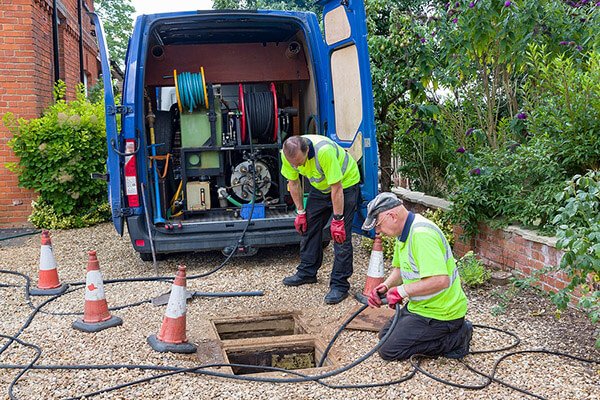
Plumbing emergencies often occur when seasonal conditions put additional pressure on pipes, drains, or water heaters. Heavy winter rains, cold snaps, and summer demand spikes can all contribute to sudden failures that require immediate professional attention. In these moments, response time becomes the difference between minor repairs and major damage. Local plumbing services are uniquely equipped to provide faster support when urgent issues arise.
Seasonal Conditions Increase the Risk of Sudden Failures
Weather patterns influence how plumbing systems perform. Cold temperatures can stress older pipes, while heavy rain can overwhelm underground lines and cause backups. High water usage during summer months also adds strain to fixtures and water heaters. When these issues occur, a rapid response is essential to prevent flooding, mold growth, or structural damage. Local plumbing services are more familiar with regional climate patterns and the seasonal risks that homeowners face.
Local Teams Arrive Faster During Emergencies
Proximity is one of the most significant advantages of choosing local plumbing services. Emergency crews located within the same community can typically reach a property faster than regional providers. Reduced travel time often leads to quicker assessments, earlier shutdown of leaking systems, and faster stabilization of hazardous situations. Efficient arrival times are especially important during winter storms or periods of heavy rainfall when widespread issues may appear at once.
Familiarity With Local Infrastructure Shortens Repair Time
Local plumbing technicians often have experience with community specific infrastructure, older neighborhoods, or common materials used in regional construction. This knowledge allows for quicker identification of likely causes and more efficient repairs. It can also help determine whether trenchless sewer replacement, targeted drain cleaning, or conventional solutions are needed. A team familiar with local soil conditions, pipe materials, and seasonal stress points can complete work more efficiently than outside providers.
Seasonal Planning Helps Prevent Repeat Emergencies
Seasonal preparation can reduce the likelihood of repeat emergency visits. These steps support faster recovery and fewer long-term disruptions.
Helpful Seasonal Prevention Steps:
Inspect exposed pipes before the first cold front.
Check drain performance ahead of winter rainstorms.
Test water heaters before high-demand seasons.
Schedule sewer line evaluations ahead of soil shifts.
Monitor water pressure during peak usage months.
Local Services Adapt More Quickly to High-Demand
High demand periods can overwhelm large providers that must cover wide geographical regions. Local plumbing services typically maintain smaller service zones, allowing them to distribute crews more efficiently during seasonal spikes. Shorter routes, local supply access, and streamlined scheduling contribute to faster repair timelines. According to the International Code Council, trenchless and minimally invasive methods can further reduce repair delays by limiting site disruption and shortening project duration.
Bonus Tip
Keeping a written list of seasonal maintenance reminders can help homeowners recognize early signs of trouble. This proactive approach often leads to smaller repairs and fewer urgent calls.
Key Takeaways
Seasonal conditions increase the risk of urgent plumbing issues
Proximity helps local plumbers respond faster during emergencies
Specialized regional knowledge improves repair efficiency
Seasonal preparation lowers the risk of repeat problems
Local teams manage high-demand periods more effectively
Emergency plumbing situations demand fast and informed action. Local plumbing services offer a unique advantage through shorter arrival times, deeper regional knowledge, and efficient scheduling during seasonal stress periods. By choosing nearby professionals, homeowners can reduce property damage, restore functionality faster, and benefit from support tailored to the specific demands of their community.

Drain Cleaning and Repair Options for Older Bay Area Homes
Many homes across the Bay Area were built decades ago, some even a century ago. While these properties offer charm and character, their plumbing systems often hide aging materials, corrosion, and years of buildup. Drain problems in older homes are more than inconvenient; they can signal deeper issues in the home’s infrastructure. Understanding modern drain cleaning and repair options helps homeowners protect their investment while maintaining comfort and reliability.
The best option for drain cleaning & repair is to hire plumbers who have served generations of Bay Area residents. These are the types of companies skilled in providing tailored plumbing services for historic and mid-century homes in cities like Oakland, Lafayette, and Orinda. Their approach combines experience with modern technology to preserve both function and property value.
Recognizing the Warning Signs
Older plumbing systems tend to show subtle signs of wear before a major failure occurs. Common symptoms include gurgling sounds from drains, slow water flow, or persistent foul odors from sinks and tubs. Some homeowners notice water pooling near foundation areas or sudden damp patches in the yard, which can point to underground leaks.
These symptoms are early indicators that professional drain cleaning and repair may be needed. Ignoring them could lead to burst pipes, sewer backups, or foundation damage. These problems quickly become more expensive to fix over time.
The Role of Hydro Jetting
For many older homes, traditional drain snaking is not enough. Decades of mineral deposits and grease buildup can cling tightly to pipe interiors, narrowing flow and creating repeat blockages. Hydro jetting solves this problem by using highly pressurized water to scrub pipes clean from the inside out.
This process clears stubborn obstructions and restores the internal diameter of the pipe, improving flow without harsh chemicals. Hydro jetting is safe for most metal and PVC lines when performed by a qualified plumber. It also helps extend the life of existing systems, which is a major advantage for older Bay Area properties with limited access to plumbing lines.
When Drain Cleaning Is Not Enough
If recurring clogs return soon after cleaning, the issue may be structural. Cracked or collapsed sewer lines, especially those made from clay or cast iron, are common in neighborhoods such as Piedmont and Berkeley Hills. In these cases, trenchless sewer repair provides a modern alternative to digging up your yard. Reputable plumbers can determine whether this is the appropriate course of action.
This method replaces or relines damaged pipes through small access points while preserving landscaping, sidewalks, and driveways. The result is a seamless, long-lasting repair that restores full functionality without the disruption of traditional excavation.
Preventing Future Problems
The best defense against major drain issues is proactive maintenance. Schedule regular inspections and cleanings to detect corrosion, root intrusion, or buildup before blockages occur. Homeowners can also reduce risk by limiting grease disposal, installing drain strainers, and using water softeners where mineral content is high.
Modern solutions like hydro jetting and trenchless repair give older Bay Area homes the performance of newer systems while preserving their history and character. Professional plumbers familiar with local infrastructure make all the difference in keeping these homes efficient for decades to come.

Expert Drain Cleaning and Repair for Stubborn Clogs
Few household problems are as frustrating as a stubbornly slow or completely blocked drain. Kitchen sinks back up, showers pool at your feet, and unpleasant odors start to spread. While many homeowners reach for chemical drain cleaners, these quick fixes often create more damage than they solve. True relief comes from professional drain cleaning & repair services that restore flow safely and effectively.
Look for a plumber backed up by decades of Bay Area experience helping residents restore flow using modern tools. In contrast to chemical cleaners, eco-friendly techniques keep drains clean without harming your pipes.
The Limits of DIY Solutions
Store-bought drain cleaners rely on harsh chemicals that corrode metal, soften PVC, and release harmful fumes. At best, they punch a small hole through a clog; at worst, they weaken your plumbing system and increase the risk of leaks. Home remedies like plunging and baking soda mixtures can work for minor buildup, but chronic blockages require a long-term fix.
That’s where professional drain cleaning and repair make the difference. Licensed plumbers use tools designed to remove grease, roots, and sediment throughout the line, not just at the surface.
How Hydro Jetting Restores Flow
When traditional snaking isn’t enough, technicians may recommend hydro jetting, a powerful cleaning method that uses pressurized water to scour pipes from end to end. Unlike mechanical tools that pierce or scrape a clog, hydro jetting completely flushes away grease, soap scum, mineral buildup, and even small tree roots.
Hydro jetting is safe for most residential plumbing systems when handled by professionals. The high-pressure water—often exceeding 3,000 PSI—removes years of buildup, leaving pipes almost like new. It’s also environmentally friendly, using only water rather than chemicals that can contaminate groundwater or corrode fittings.
Many East Bay homeowners schedule hydro jetting every few years as preventative maintenance, especially in areas like Oakland, San Leandro, and Walnut Creek, where older drain lines collect debris more easily.
When Repairs Go Beyond Cleaning
Sometimes, repeated clogs signal larger issues like a collapsed or root-intruded sewer line. In these cases, video inspection helps plumbers pinpoint the cause and how to remedy the problem. If the damage is structural, trenchless sewer repair offers a no-dig solution that replaces or relines underground pipes with minimal disruption. Trenchless methods use a resin-saturated liner or pull-through replacement system to restore function without tearing up landscaping or driveways.
To be fair, trenchless methods are not suitable for all sewer repair situations. When it is available, however, the process is faster, cleaner, and more durable than traditional excavation. For property owners, it is a smart investment with long-term reliability.
Keeping drains clear is all about protecting your home’s foundation, plumbing, and air quality. Regular professional maintenance prevents backups that can lead to water damage, mold, and costly repairs. For Bay Area households, investing in drain care pays off in both comfort and peace of mind. From routine cleaning to hydro jetting and trenchless repair, a trusted plumber ensures your drainage system works efficiently for years to come.

Plumbing Services Every Homeowner Should Schedule Annually
Home plumbing systems quietly manage gallons of water every day, until something goes wrong. Just like heating and electrical systems, plumbing benefits from regular care. Annual maintenance by reputable plumbers not only prevents expensive emergencies but also extends the life of pipes, fixtures, and appliances. Knowing which plumbing services to schedule each year helps homeowners avoid unpleasant surprises and costly water damage.
Full Plumbing Inspection
An annual inspection is the foundation of preventive care. Licensed plumbers examine exposed pipes, fixtures, and connections for corrosion, leaks, or mineral buildup. They also check shut-off valves and supply lines to ensure a quick response during emergencies.
Professional residential plumbing services such as inspections go beyond what most homeowners can see. Technicians use specialized equipment to detect hidden leaks behind walls or under floors before they become structural problems.
Drain Cleaning and Maintenance
Clogged or slow drains are among the most common plumbing complaints. Instead of waiting for a backup, homeowners can schedule professional drain cleaning and repair once a year. Hydro jetting, an advanced cleaning technique that uses high-pressure water, removes buildup that typical snaking tools can’t reach.
Hydro jetting keeps pipes clear of grease, soap, and sediment—preventing odors and maintaining consistent water flow. It’s especially useful in older Bay Area homes where older pipes are more prone to clogs and corrosion.
Water Heater Tune-Up
Your water heater works year-round, often under heavy demand. Annual service includes draining sediment from the tank, checking the anode rod, testing safety valves, and adjusting temperature settings. These steps improve efficiency and prevent breakdowns during peak usage. If your system struggles to keep up or is nearing ten years of service, water heater repair and replacement can restore reliability and reduce utility costs. Tankless systems, in particular, benefit from yearly flushing to prevent scale buildup.
Sewer and Water Line Checks
Many homeowners don’t realize that they’re responsible for the section of sewer and water lines running from the home to the street. A video inspection once a year identifies potential blockages, cracks, or root intrusion before they cause backups.
If repairs are needed, modern trenchless sewer repair technology offers a no-dig solution that preserves landscaping while replacing damaged lines. This proactive approach saves both time and costly excavation work.
Leak and Pressure Testing
Even small leaks waste thousands of gallons annually and can weaken walls and flooring. Pressure testing helps identify weak points that could fail under stress. Professional plumbers also check for inconsistent water pressure, which often signals hidden leaks or sediment buildup.
Annual Plumbing Checklist Summary:
Full plumbing inspection
Drain cleaning or hydro jetting
Water heater service
Sewer and water line inspection
Leak and pressure testing
Keeping these appointments on your calendar ensures a safer, more efficient home. With routine maintenance, homeowners in Oakland, Lafayette, and Walnut Creek can avoid emergencies and enjoy worry-free plumbing year-round.

The Plumber’s Checklist for Stress-Free Home Maintenance
A dripping faucet, slow drain, or sudden loss of hot water can quickly escalate into costly damage if ignored. That’s why a maintenance routine that a professional plumber would recommend keeps your home’s systems running smoothly. For that, you need reliable plumbing services that come from decades of experience in the Bay Area. This checklist outlines the key plumbing services and habits that support a reliable, efficient home.
Inspect for Leaks and Water Damage
Start with a visual inspection every few months. Look under sinks, behind toilets, and along exposed pipes for water stains, corrosion, or moisture. Even a small drip can waste more than 3,000 gallons a year, according to the U.S. Environmental Protection Agency.
If you notice rising utility bills or damp odors, it might be time to call in a professional for leak detection and plumbing repair. Early intervention not only prevents mold growth but also extends the lifespan of fixtures and appliances.
Maintain Drains the Right Way
Clogged drains are one of the most common household plumbing issues. Avoid pouring grease, coffee grounds, or fibrous food scraps down the sink. For showers and tubs, install drain strainers to catch hair and soap buildup. Once or twice a year, consider professional drain cleaning and repair to remove buildup that DIY methods miss. It’s a small investment that keeps wastewater flowing freely and prevents pressure backups that can damage older pipes.
Check the Water Heater
Your water heater quietly handles one of the most important daily tasks in your home. If it’s making rumbling noises, showing signs of rust, or struggling to maintain temperature, sediment may have built up inside the tank. Flushing a few gallons of water each year removes debris and improves efficiency.
For systems over a decade old, water heater replacement may be more cost-effective than constant repairs. Modern tankless models are especially popular in Lafayette and Walnut Creek homes for their energy savings and compact size.
Test Shut-Off Valves and Outdoor Fixtures
Few things are more important in an emergency than knowing your shut-off valves work. Turn them gently every few months to prevent seizing. During seasonal transitions, inspect outdoor faucets and irrigation systems for leaks or cracks. Before winter, disconnect hoses and drain lines to prevent freezing and pipe bursts.
Schedule Professional Inspections
Even with good habits, not every issue is visible. Annual professional plumbing inspections can reveal early signs of pipe corrosion, low pressure, or drain blockages before they become expensive emergencies. They’re also a smart way to prepare your home for changing Bay Area weather—from rainy winters to hot, dry summers.
Home maintenance doesn’t have to feel overwhelming when it’s part of a plan. Following this plumber’s checklist ensures your home stays efficient, your water stays clean, and your systems stay dependable all year long.

5 Common Signs You Need Drain Cleaning and Repair
A slow drain or strange odor might seem like a minor inconvenience, but these symptoms can point to a larger plumbing problem. Identifying the early signs that your drains need professional attention helps prevent costly repairs and protects your plumbing system from serious damage.
Here are five common signs that it’s time to call a professional for drain cleaning and repair.
1. Slow Draining Water
If your sink, tub, or shower takes longer than usual to drain, there’s likely a blockage forming in the pipes. This is one of the earliest warning signs of a potential clog. Hair, soap residue, grease, and debris build up over time and restrict water flow. Waiting too long allows the blockage to grow and increases the risk of a complete backup. Professional drain cleaning removes buildup thoroughly, restoring smooth drainage and preventing further problems.
2. Frequent Clogs
Occasional clogs happen, but if you’re constantly reaching for a plunger, something is wrong. Recurring blockages, especially in the same drain, often indicate a deeper issue in your plumbing system. It could be a partial obstruction, tree root intrusion, or a damaged section of pipe. Repeated DIY attempts rarely fix the root cause. A plumber can inspect your system and use tools like hydro-jetting to remove tough blockages for good.
3. Unpleasant Odors
Foul smells coming from your drains suggest that food particles, grease, or waste are trapped inside the pipes. As these materials break down, they release odors that can travel through the drain and into your home. This is common in kitchen sinks or floor drains that aren’t used often. Drain cleaning eliminates the source of the smell and keeps your plumbing system fresh and sanitary.
4. Gurgling Sounds
When drains make bubbling or gurgling noises, it’s often due to air being trapped in the plumbing system. This happens when a clog or buildup blocks the free flow of water, causing air pockets to form. These sounds can occur in toilets, sinks, or bathtubs and are a strong sign that a clog is forming out of sight. Early intervention can prevent a major backup and save your pipes from pressure-related damage.
5. Standing Water or Water Backups
The most obvious sign of a serious drainage issue is water pooling around floor drains, in sinks, or in showers. Backups indicate that the water has nowhere to go due to a complete or near-complete blockage. This situation can quickly lead to water damage, mold growth, and unsanitary conditions. Drain repair and professional cleaning clear the obstruction and restore proper flow before further damage occurs.
Paying attention to these signs and acting quickly can save you from expensive repairs and major plumbing failures. Regular drain cleaning not only addresses current issues but also prevents future ones, keeping your plumbing system working as it should.

How Do Reliable Commercial Plumbing Services Prevent Major Issues?
Businesses depend on functioning plumbing systems to keep operations running smoothly. Whether it’s a retail store, office complex, or restaurant, plumbing problems can create disruptions that lead to lost revenue and damaged property. Reliable commercial plumbing services take a proactive approach to prevent these issues before they interfere with your business.
Routine System Inspections
Regular plumbing inspections are one of the most effective ways to catch problems early. Professional plumbers assess water lines, drains, and sewer systems to identify signs of wear, corrosion, or potential failure. These inspections include checking for leaks, unusual pressure changes, or blockages that might develop into emergencies. Catching problems before they escalate saves time and protects your bottom line.
Backflow Testing and Prevention
Backflow incidents can contaminate your clean water supply, putting your business and customers at risk. Commercial plumbers provide annual backflow testing and install prevention devices to ensure water flows in the right direction. Many municipalities require this testing for businesses, and staying compliant keeps your business safe and avoids fines.
Drain Cleaning Prevents Costly Blockages
Clogged drains are more than just an inconvenience in a commercial setting. In food service businesses, salons, or high-traffic restrooms, blocked drains can cause slowdowns, foul odors, or sanitation concerns. Reliable plumbing services include regular drain cleaning to remove buildup before it becomes a problem. This helps maintain flow, prevents backups, and extends the life of your plumbing infrastructure.
Water Heater Maintenance
Commercial water heaters endure heavier use than residential units and require routine care to stay efficient. Mineral deposits, sediment buildup, or faulty components can reduce output and increase energy costs. Plumbers check pressure valves, flush out tanks, and test controls to ensure consistent hot water. Regular maintenance prevents unexpected breakdowns and maximizes the system’s lifespan.
Grease Trap and Sewer Line Care
Restaurants and commercial kitchens must follow specific guidelines for grease disposal. Grease traps need to be cleaned frequently to prevent blockages that can damage sewer lines. Professional plumbers remove hardened grease and inspect lines for signs of intrusion, buildup, or cracking. Preventive care like this keeps systems operating correctly and reduces the likelihood of emergency repairs.
Emergency Response Planning
Even with the best maintenance, unexpected issues can arise. Commercial plumbers offer emergency services with guaranteed response times, so your business isn’t left waiting when it matters most. Working with a reliable service provider also means they understand your building layout, plumbing history, and specific needs, allowing them to respond faster and more effectively in a crisis.
Reliable commercial plumbing services give businesses peace of mind through consistency, preventive care, and expert solutions. Their experience helps prevent major issues, maintain code compliance, and reduce the risk of downtime, allowing you to focus on serving customers without interruption.
Why DIY Drain Cleaning and Repair Often Makes Things Worse
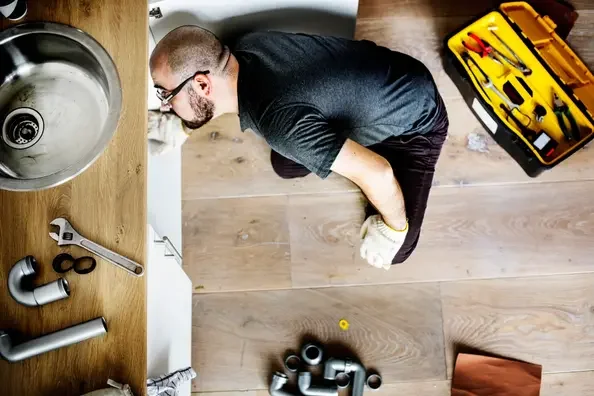
When drains clog or pipes start acting up, many homeowners turn to do-it-yourself solutions in hopes of saving time and money. While it may seem like a simple fix, attempting to clean or repair your plumbing without proper tools or experience often leads to bigger, more expensive problems. DIY plumbing shortcuts can cause more harm than good, and understanding the risks can help you avoid costly repairs later.
Household Chemicals Can Damage Pipes
One of the most common DIY approaches involves pouring chemical drain cleaners into sinks or tubs. These products are marketed as quick fixes, but the harsh ingredients can corrode your pipes over time, especially in older plumbing systems. Repeated use can weaken pipe walls and create small cracks that eventually lead to leaks. What starts as a minor clog can result in long-term damage that requires full pipe replacement.
Improper Tools and Techniques
Professionals use specialized equipment to diagnose and resolve drain and pipe issues. Homeowners often rely on plungers, coat hangers, or makeshift tools that can scratch or puncture pipes. Without proper technique, these tools push blockages deeper or break up clogs unevenly, leaving debris behind that builds up again quickly. In some cases, the wrong method can make the clog worse or cause pipe joints to come loose.
Hidden Problems Go Unnoticed
Drain issues are often symptoms of bigger problems. Tree root intrusion, pipe misalignment, or grease buildup deep within the system can all lead to recurring clogs. DIY efforts might clear a portion of the blockage but fail to detect or address the root cause. This oversight means the problem is likely to return, potentially in a more severe form. A licensed plumber can inspect the system with cameras and locate issues that are invisible to the naked eye.
Water Damage and Mold Risk
When DIY repairs go wrong, they can lead to leaks or overflows. Water that escapes from a loose connection or cracked pipe may seep into floors, walls, or cabinets. These areas are difficult to dry and quickly become breeding grounds for mold. The resulting damage to flooring, drywall, and insulation adds significantly to your repair costs. A plumber not only prevents these outcomes but ensures repairs meet current safety standards.
Voiding Warranties and Building Code Violations
Many plumbing systems or fixtures come with warranties that are voided by unauthorized repairs. Additionally, some DIY solutions may not comply with local plumbing codes, especially when modifications are made without proper permits. This can create complications if you plan to sell your home, as unapproved work can lead to inspection failures or legal liability. Professional plumbers ensure all work is documented, approved, and up to code.
Relying on a licensed plumber saves time, reduces risk, and results in repairs that are safe and lasting. When it comes to drain cleaning and plumbing repairs, expert care is the most reliable investment in your home’s long-term health.ces risk, and results in repairs that are safe and lasting.
Plumbing Services for Older Homes Explained Simply

Older homes bring character, charm, and unique architectural details—but they also come with aging plumbing systems that require special attention. Pipes installed decades ago may not meet today’s standards, and outdated materials can lead to leaks, poor water pressure, or even health risks. Knowing what to expect from plumbing in older homes helps homeowners make informed decisions and avoid costly surprises.
Outdated Pipe Materials
Many older homes were built using galvanized steel or cast iron pipes. Over time, these materials corrode, leading to restricted water flow and a higher risk of leaks. Some homes even contain lead pipes, which pose health hazards and should be replaced immediately. A licensed plumber can inspect your system and identify what types of materials are present. If replacement is necessary, modern piping options like copper or PEX provide safer and more durable alternatives.
Low Water Pressure
It’s not uncommon for older homes to have reduced water pressure, especially in showers or faucets far from the main line. Mineral buildup and internal pipe corrosion can block the flow of water. This isn’t just an inconvenience—it may signal a bigger issue within your plumbing system. Plumbers can use tools like pipe cameras to locate the exact source of the problem and recommend the most efficient repair solution.
Sewer Line Concerns
The sewer lines in older properties may have settled, cracked, or been invaded by tree roots. These issues often go unnoticed until a backup occurs inside the home. Preventative inspections and services like hydro-jetting or trenchless sewer repair can keep things flowing properly without the need for large-scale excavation. Addressing sewer line concerns early can save you from both disruption and expense.
Inefficient Fixtures
Fixtures in older homes may be original or outdated, leading to higher water usage and unreliable performance. Toilets, faucets, and showerheads designed decades ago are far less efficient than modern alternatives. Upgrading these fixtures not only improves function but also reduces your monthly utility costs. A plumber can help you choose replacements that maintain the home’s vintage aesthetic while improving overall efficiency.
Drain Cleaning and Maintenance
Older plumbing systems are more prone to clogging due to narrowed pipes and accumulated debris. Regular drain cleaning is essential to prevent slow drains or backups. Professional plumbers can remove stubborn buildup safely without damaging fragile pipes. Maintenance like this extends the lifespan of your system and helps you avoid sudden plumbing emergencies.
Caring for an older home means preserving its beauty while upgrading essential systems to meet today’s standards. Reliable plumbing services provide the knowledge and tools to protect your investment and ensure your home continues to serve you well for years to come.
Avoid Business Downtime with Reliable Commercial Plumbing

Unexpected plumbing issues can disrupt operations and damage your business’s reputation. From overflowing restrooms to leaking pipes, problems that may seem minor can escalate quickly if not addressed by skilled professionals. Reliable commercial plumbing services help prevent interruptions, allowing your team to stay focused on customers and day-to-day tasks without dealing with water damage or unexpected repairs.
The Cost of Downtime
Every minute your business is out of service due to plumbing trouble can impact sales, employee productivity, and client satisfaction. Whether you manage a restaurant, office building, or retail space, time is money. Water damage from a burst pipe or sewage backup can result in temporary closures, lost revenue, and expensive cleanup. A trusted commercial plumber understands the urgency and works quickly to restore your facility and minimize disruption.
Preventative Maintenance Matters
Many plumbing emergencies stem from issues that build up over time. Corroded pipes, aging fixtures, or unnoticed leaks often go undetected until something goes wrong. Routine inspections and maintenance reduce this risk. Commercial plumbing services provide scheduled checks of your system to identify small problems before they turn into major setbacks. Preventative care also keeps your plumbing up to code, which protects your business from fines or failed inspections.
Drain Cleaning Keeps Operations Running
One of the most common causes of plumbing-related downtime is a blocked drain. In high-traffic buildings or businesses that rely heavily on water usage, buildup happens faster than you might expect. Grease, debris, or foreign objects can slow drainage and eventually cause backups. Professional drain cleaning removes blockages without damaging your plumbing system. By keeping drains clear, you reduce the chance of unpleasant odors, water overflows, and sanitation issues that could impact your customers or staff.
Emergency Services You Can Trust
Even with proactive care, plumbing problems can still arise. Having access to reliable emergency plumbing services ensures a fast response when the unexpected happens. Commercial plumbers arrive with the proper tools to assess the issue and carry out repairs on the spot. Their experience means they can resolve complex issues efficiently, preventing small mishaps from turning into long-term problems.
Customized Solutions for Your Business
Every commercial property has unique plumbing needs. A reliable plumber takes the time to understand your layout, usage patterns, and potential risk areas. Whether you operate a food service business that needs frequent grease trap cleaning or a corporate building with sensitive water systems, tailored service keeps everything running smoothly. Long-term partnerships with plumbing professionals also ensure consistent communication and a reliable point of contact when issues arise.
Staying ahead of plumbing problems protects your business’s bottom line. With dependable commercial plumbing support,
How Leaky Pipes Cost You More Than You Think

Leaky pipes might seem like a small nuisance, but the impact they have on your home and finances is far greater than most homeowners realize. What starts as a minor drip under the sink or a slow leak behind a wall can quickly spiral into a major problem. Ignoring these leaks doesn’t just waste water, it also chips away at your property’s integrity, inflates your utility bills, and creates conditions for long-term damage.
Water Waste and Increased Utility Bills
Even a small leak can waste gallons of water each day. Over time, this waste adds up and significantly affects your monthly water bill. Many homeowners don’t notice the leak until the utility charges start creeping higher. A steady drip can be deceptive, but it still contributes to hundreds of wasted gallons over the course of a year. Fixing these leaks promptly restores efficiency and reduces water waste, helping you keep your household budget in check.
Structural Damage to Your Home
Water has a way of seeping into places it doesn’t belong. Hidden leaks behind walls, under flooring, or in the ceiling can saturate wood, drywall, and insulation. This moisture weakens structural components over time, causing warping, staining, and eventual deterioration. By the time the damage is visible, the repair costs can be substantial. What began as a slow leak may require replacing walls, floors, or entire sections of your residential plumbing system.
Mold and Health Concerns
Moist environments are ideal breeding grounds for mold and mildew. Leaky pipes provide a constant source of water that supports this growth. Once mold takes hold, it spreads quickly and can be difficult to eliminate. Beyond the physical damage, mold spores pose serious health risks, especially to those with allergies or respiratory conditions. Addressing the leak early can prevent these health hazards from taking root in your home.
Damaged Appliances and Fixtures
Leaks often develop near water-dependent appliances like dishwashers, washing machines, or water heaters. Excess moisture can corrode internal parts, shorten the lifespan of these units, and lead to breakdowns at the worst possible time. Replacing a major appliance due to unnoticed water damage costs far more than hiring a residential plumber to fix a leak.
Reduced Property Value
Persistent leaks and the damage they cause can affect your home’s resale value. Potential buyers look for homes that have been well maintained. Signs of water damage, stains, or mold will raise red flags and may lower your home’s appeal. Even if you’re not planning to sell soon, preserving your property’s value starts with maintaining the systems that keep it running safely and efficiently.
Addressing leaky pipes early is not just a plumbing issue, it’s a smart investment in your home’s longevity, safety, and comfort. Residential plumbing services can quickly identify the source, stop further damage, and help restore peace of mind.
How Timely Drain Cleaning Prevents Bigger Plumbing Problems

Ignoring slow drains or small clogs might not seem like a big deal at first, but over time, buildup in your pipes can lead to major plumbing headaches. What starts as a minor inconvenience can quickly snowball into water damage, pipe corrosion, or even full system backups. Addressing drainage issues early is one of the simplest and most effective ways to protect your home’s plumbing system.
Small Signs Often Point to Larger Issues
Gurgling noises, foul smells, or slow drainage are early indicators that your pipes are struggling to carry water and waste efficiently. These symptoms are easy to overlook, especially if they seem temporary. But they’re often the first sign of developing blockages or deteriorating pipe conditions. Taking action early can prevent a minor clog from becoming a major repair.
Prevents Pipe Damage and Corrosion
When debris like hair, grease, soap scum, or food particles builds up in your drains, it creates an ideal environment for corrosion. Over time, this buildup can erode the interior of your pipes, leading to leaks or even complete pipe failure. Keeping the lines clear helps maintain the structural integrity of your plumbing and reduces the risk of long-term damage.
Stops Backups Before They Start
Backups can be messy, expensive, and hazardous to your health. They often occur when a drain becomes completely blocked, causing wastewater to flow back into sinks, tubs, or toilets. Regular cleanings help ensure that water continues to flow in the right direction, preventing these unsanitary incidents from happening in the first place.
Boosts the Efficiency of Your Plumbing System
Clean pipes allow water and waste to move freely through your system, reducing strain on your plumbing and improving overall performance. Appliances that rely on water—such as dishwashers, washing machines, and water heaters—operate more effectively when they’re not compensating for restricted flow caused by clogged lines.
Minimizes Emergency Plumbing Calls
Clogged drains have a habit of becoming urgent problems at the worst possible times. By scheduling cleanings on a regular basis, you can avoid emergency repairs and the unexpected costs that come with them. Preventative care is far less disruptive and usually much more affordable than fixing a full-blown plumbing disaster.
Extends the Life of Your Plumbing
Like any part of your home, your plumbing system lasts longer when it’s well maintained. Just as regular oil changes keep a car engine running smoothly, routine drain care helps your pipes remain free of obstructions and excess wear. Over the years, this can save you thousands in repairs and premature replacements.
Reduces Unpleasant Odors
Built-up organic material inside your drains can begin to rot, producing persistent odors that no amount of air freshener will cover. Cleaning the drains removes these odor-causing elements at the source, keeping your home smelling fresh and your water systems hygienic.
Importance of Backflow Prevention Devices in Plumbing

Water systems are designed to flow in a single direction—clean water in, used water out. When that flow is disrupted, contaminants can enter the clean supply, putting public health at risk. This is where backflow prevention devices come into play. These systems are critical for maintaining water quality in both residential and commercial properties, especially in buildings with complex plumbing needs or connections to irrigation, industrial equipment, or fire suppression systems.
How Backflow Happens
Backflow occurs when water moves in the opposite direction due to changes in pressure. A drop in pressure in the main line—caused by something like a broken water main or a high-demand hydrant—can create suction that pulls potentially contaminated water back into the supply. This reversed flow can carry everything from fertilizers and soap to industrial chemicals.
The Role of Backflow Preventers
Backflow prevention devices act as a safeguard by allowing water to flow in only one direction. If a pressure reversal occurs, the device shuts automatically or redirects the flow, preventing contaminated water from reaching clean lines. They’re especially important in places where the water system connects to other systems or where cross-connections are present.
Common Applications in Buildings
Irrigation systems, fire sprinklers, and commercial kitchens are just a few areas where these devices are commonly required. In these settings, water often comes into contact with chemicals, oils, or waste. A properly installed and maintained backflow preventer ensures that none of this material reenters the potable water supply during a pressure event.
Code Compliance and Inspections
Many municipalities require annual testing and certification of backflow prevention assemblies. Licensed professionals perform these tests to ensure that each device is functioning correctly and meeting local regulations. Failure to comply can result in fines or even suspension of water service until the issue is corrected.
Types of Backflow Devices
There are several kinds of preventers, including reduced pressure zone (RPZ) assemblies, double check valves, and atmospheric vacuum breakers. Each serves a specific type of application and risk level. Choosing the right one depends on your building’s setup and the degree of hazard presented by the connected systems.
Routine Maintenance Matters
Over time, backflow preventers can wear out, especially if exposed to fluctuating pressure or debris in the water system. Routine maintenance ensures these plumbing devices continue to operate effectively. Inspections may reveal worn parts, leaks, or other issues that need to be addressed promptly to maintain protection.
Why Professional Installation Is Essential
Proper placement and installation are key to a backflow device’s performance. A licensed plumber will not only ensure that the correct type of device is used, but also install it in accordance with health and building codes. Their expertise helps reduce risk while supporting system reliability over the long term.